Event Stages

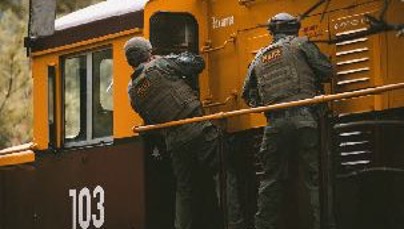
Iron Horse Hostage Takeover

Stage: Iron Horse Hostage Takeover 

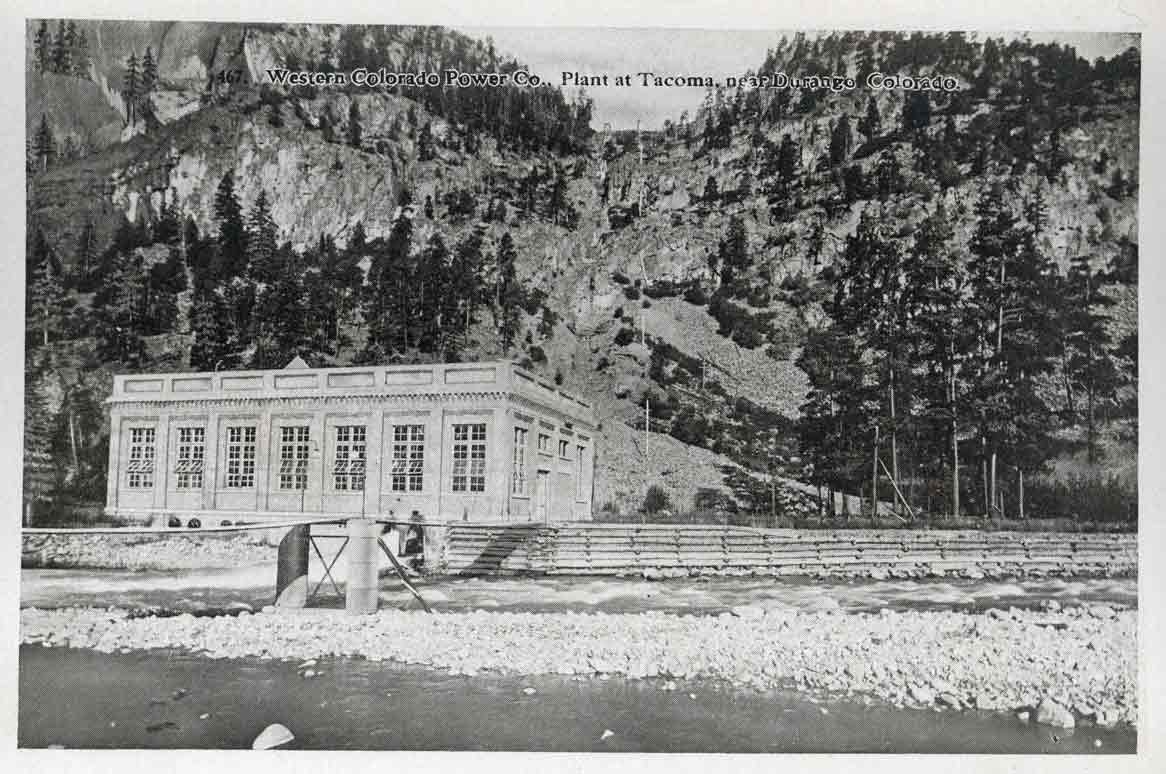
Location: Rail corridor, surrounding terrain, and industrial infrastructure along the Durango & Silverton Narrow Gauge Railroad, centered near the Tacoma Power Plant
Environment: Remote wilderness with railcars, rail-side access routes, industrial structures, elevation change, and limited ingress/egress


Scenario Overview

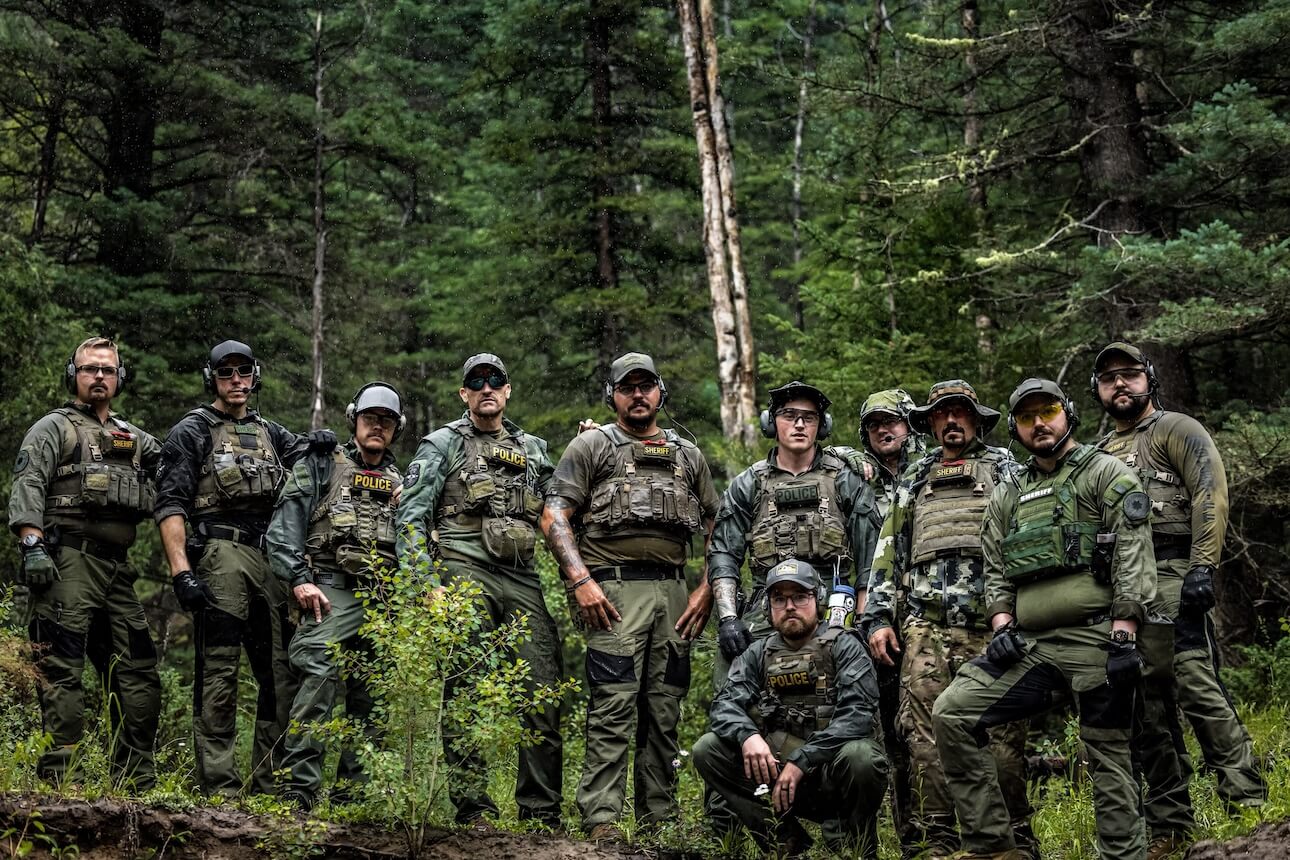
The Iron Horse Hostage Takeover is the capstone scenario of Rails & Rescues—an integrated, multi-discipline SWAT evolution that ties together tactics, communication, leadership, and problem-solving across a complex incident arc.

This scenario is designed as a full-mission profile, requiring teams to transition seamlessly between intelligence gathering, containment, negotiation support, precision overwatch, tactical movement, force-on-force engagement, rescue operations, and post-incident stabilization.

The emphasis is not speed alone, but judgment, coordination, and command presence under evolving conditions.


Operational Objective

  • Respond to a simulated hostage takeover involving a train and surrounding infrastructure
  • Establish command, containment, and overwatch
  • Resolve the incident using appropriate force-on-force tactics
  • Safely recover hostages and stabilize the scene

This is a non-live-fire scenario, utilizing Simunition® / marking cartridge systems for close-contact engagements.


Stage Elements & Training Components

1. Incident Command & Team Integration

  • Establishment of command and control structure
  • Assignment of assault, containment, sniper/overwatch, and rescue elements
  • Real-time communication between interior and exterior teams
  • Leadership decision-making as the scenario evolves

2. Containment, Movement & Overwatch

  • Perimeter establishment along railcars and terrain features
  • Sniper/observer elements providing overwatch and intelligence
  • Controlled movement of assault elements along the rail corridor
  • Use of terrain, rail infrastructure, and industrial features for cover and concealment

3. Train & Infrastructure Assault

  • Coordinated boarding and clearing of railcars
  • Movement through confined spaces with live role-players
  • Simulated threat engagement using force-on-force systems
  • Transition between railcars and adjacent structures as dictated by scenario flow

4. Hostage Resolution & Rescue

  • Positive identification and protection of hostages
  • Threat discrimination under stress
  • Medical assessment and simulated casualty care
  • Organized extraction from railcars and adjacent structures

5. Adaptive Problem-Solving

  • Injects that require teams to reassess plans mid-operation
  • Equipment, access, or communication challenges
  • Emphasis on adaptability rather than scripted outcomes
  • Reinforces the reality of imperfect information and time pressure

Industry Integration

The Iron Horse Hostage Takeover is where systems meet reality.

Industry partners see:

  • Equipment used across multiple mission phases, not a single drill
  • Gear evaluated for interoperability, durability, and ergonomics
  • Products performing during movement, communication, medical response, and force-on-force engagement
  • Decision-makers observing how equipment supports—or hinders—mission flow

This is the environment agencies care about when making purchasing decisions.


Media & Content Value

This stage delivers cinematic, credible storytelling:

  • Long-form scenario footage showing mission progression
  • Interior and exterior action across railcars, terrain, and structures
  • Authentic operator interaction, communication, and leadership moments
  • Visual narratives that demonstrate competence, restraint, and professionalism

The content reflects real operations, not staged demonstrations.


Why This Stage Matters

Real incidents don’t happen in lanes or phases—they unfold.

The Iron Horse Hostage Takeover reinforces:

  • Integrated team operations over isolated skill sets
  • Leadership and communication as force multipliers
  • Equipment reliability across an entire incident lifecycle

This stage embodies the core purpose of Rails & Rescues:
training for reality, not the highlight reel.
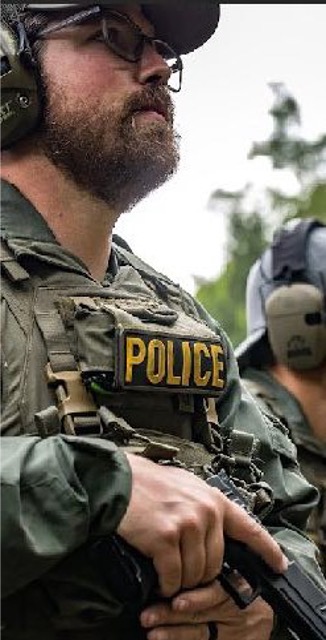
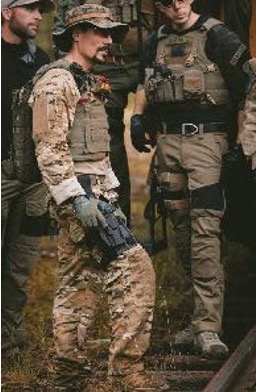
TRAIN HOSTAGE SCENARIOS

Stage: Train Hostage Resolution (Force-on-Force)

Location: Active rail corridor and stationary railcars along the Durango & Silverton Narrow Gauge Railroad, near the Tacoma Power Plant
Environment: Remote wilderness rail environment with confined spaces, limited access points, and real-world rail infrastructure


Scenario Overview

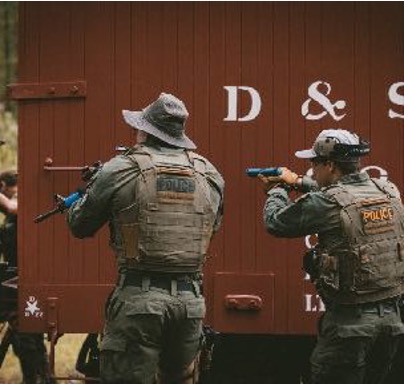
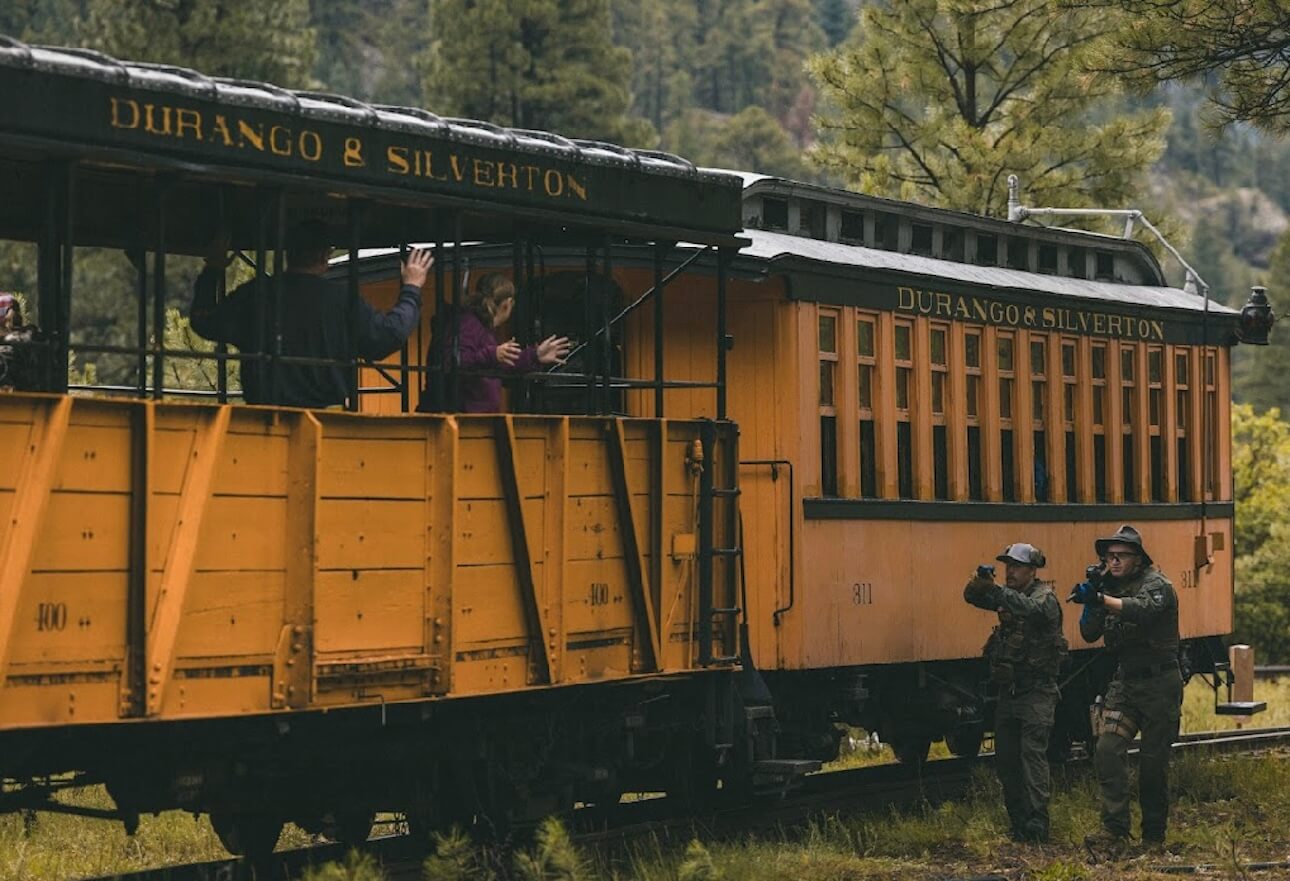
The Train Hostage Resolution stage places SWAT operators into a high-consequence, force-on-force hostage rescue scenario aboard and around railcars in a realistic operating environment.

This is a non-live-fire stage, utilizing Simunition® / marking cartridge systems to allow full-speed decision-making, movement, and engagement in close quarters—without sacrificing safety. The scenario emphasizes communication, target discrimination, de-escalation where possible, and precise use of force in one of the most complex environments law enforcement encounters.


Operational Objective

  • Safely resolve a hostage scenario aboard a train
  • Neutralize armed adversaries using force-on-force engagement
  • Protect hostages while operating in confined railcar spaces
  • Secure the train and conduct systematic clearing operations

Stage Elements & Training Components

1. Railcar Assault & Entry

  • Approach and boarding of stationary railcars
  • Multiple entry points including doors and narrow access corridors
  • Movement through tight, linear interiors with limited visibility
  • Emphasis on team communication, spacing, and angles

2. Force-on-Force Engagement (Simunition)

  • Live role-players acting as hostile threats and hostages
  • Realistic decision-making under pressure
  • Immediate feedback through marking cartridge hits
  • Reinforces accountability, discrimination, and restraint

3. Hostage Management & Control

  • Identification and protection of hostages during movement
  • Verbal commands and control techniques
  • Transition from threat engagement to medical and safety checks
  • Extraction and securing of non-combatants

4. Multi-Team Coordination

  • Interior and exterior elements working in parallel
  • Clear command and control in a dynamic, moving-through-space environment
  • Adaptation to evolving threats and unknown variables
  • Emphasis on post-engagement security and sweep procedures

Industry Integration

This stage allows industry partners to see equipment perform where human interaction and decision-making matter most.

Partners benefit from:

  • Simunition-compatible weapons, optics, holsters, armor, helmets, comms, and lighting systems used in realistic CQB
  • Gear evaluated under movement, stress, and physical contact
  • Direct operator feedback on ergonomics, durability, and usability
  • Documentation of products performing in complex, people-dense environments

Media & Content Value

The Train Hostage Resolution stage delivers some of the most intense and authentic visual content of the event:

  • Interior railcar footage showing real decision-making moments
  • Close-range operator interactions with threats and hostages
  • Gear captured in tight spaces, low light, and dynamic movement
  • Content that communicates seriousness, professionalism, and restraint

This is credibility-driven storytelling—no theatrics, no staging.


Why This Stage Matters

Hostage rescue demands restraint as much as aggression.

This stage reinforces:

  • Target discrimination under extreme pressure
  • The importance of communication and coordination
  • Equipment reliability in confined, human-centered environments

The Train Hostage Resolution (Force-on-Force) stage reflects the reality of modern SWAT operations—
measured, disciplined, and precise in the moments that matter most.

Sniper Stage

Stage: Precision Sniper Engagement

Location: Elevated and offset firing positions near the Tacoma Power Plant, along the Durango & Silverton Narrow Gauge Railroad
Environment: Mountainous wilderness with long sightlines, elevation change, wind exposure, and complex backgrounds


Scenario Overview

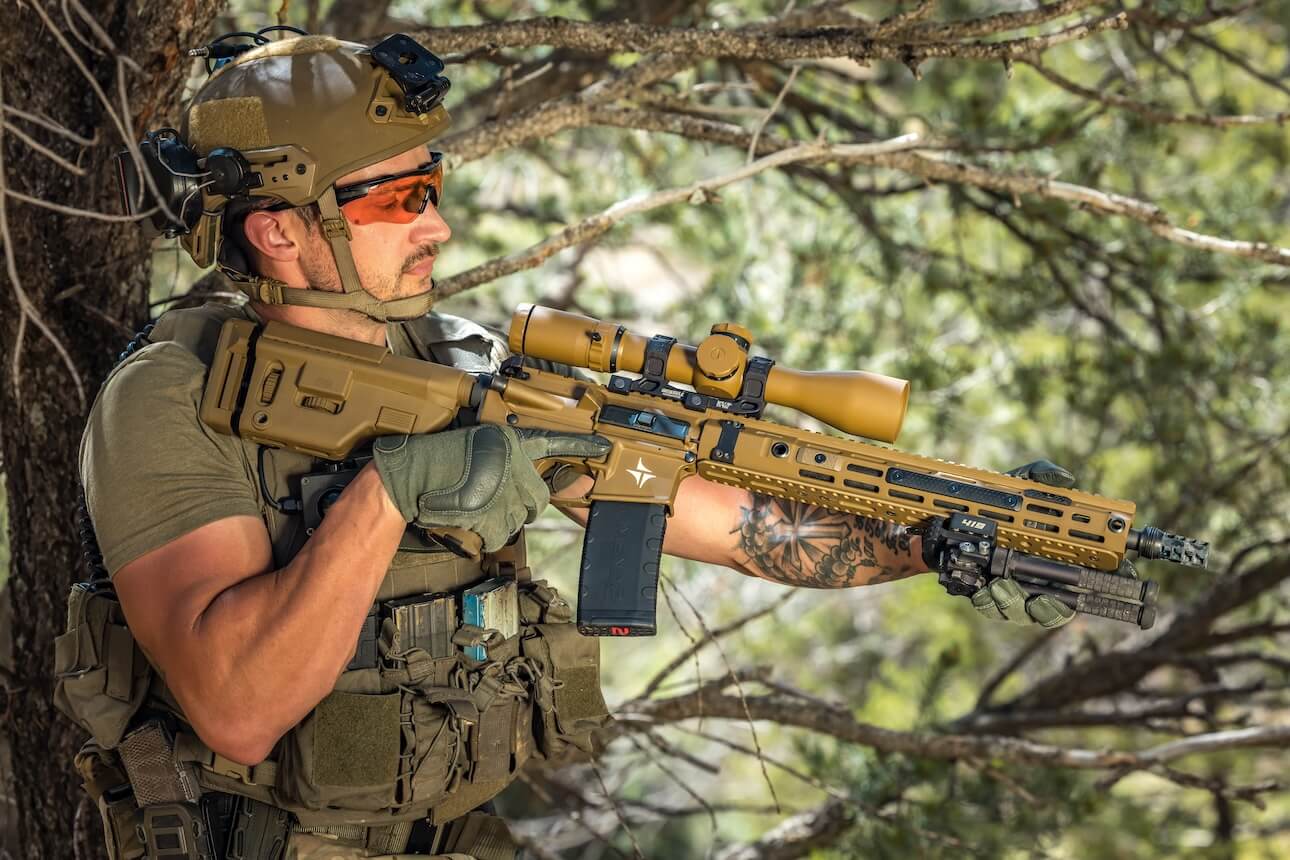
The Precision Sniper Engagement stage is designed to test the full spectrum of overwatch, precision fire, target discrimination, and ballistic problem-solving required of SWAT sniper elements in real-world operations.

Operators engage from realistic field-expedient positions—prone, supported, or improvised—while accounting for distance, terrain, wind, and time pressure. The stage emphasizes discipline, patience, and decision-making, reinforcing the sniper’s critical role in controlling complex scenes from distance.


Operational Objective

  • Identify, confirm, and engage designated precision targets
  • Demonstrate accurate range estimation and ballistic application
  • Maintain concealment, stability, and situational awareness
  • Execute precision fire within clearly defined safety and engagement parameters

Stage Elements & Training Components

1. Target Identification & Discrimination

  • Mixed target arrays requiring positive identification
  • Emphasis on decision-making before trigger press
  • Penalties for incorrect target engagement
  • Reinforces real-world accountability and rules of engagement

2. Precision Marksmanship

  • Engagements at varying distances appropriate for SWAT precision roles
  • Small target zones requiring refined fundamentals
  • Focus on natural point of aim, trigger control, and follow-through
  • Limited round counts to reinforce shot discipline

3. Environmental Problem-Solving

  • Wind calls influenced by terrain and vegetation
  • Elevation and angle considerations
  • Light and shadow challenges against industrial and natural backdrops
  • Time constraints requiring efficient data processing

4. Field-Expedient Positions

  • Shooting from improvised supports and non-standard positions
  • Use of backpacks, barricades, or natural terrain
  • Emphasis on adaptability rather than ideal range conditions
  • Mirrors overwatch positions commonly encountered in real incidents

Industry Integration

The Sniper Stage showcases equipment in its most unforgiving role—precision under consequence.

Industry partners benefit from:

  • Real-world use of precision rifles, optics, mounts, ammunition, and support gear
  • Validation of equipment tracking, clarity, repeatability, and reliability
  • Meaningful feedback from experienced sniper elements
  • Media assets that convey trust, competence, and performance at distance

Media & Content Value

This stage produces some of the most compelling visuals of the event:

  • Long-lens shots of snipers working through environmental challenges
  • Detail-rich footage of optics, turrets, and rifle systems in use
  • Operators executing deliberate, calm precision under pressure
  • Imagery that communicates credibility rather than spectacle

Why This Stage Matters

Precision snipers shape outcomes before situations escalate.

This stage reinforces:

  • The importance of patience, judgment, and accountability
  • The role of equipment reliability in mission success
  • The value of realistic training environments over sterile ranges

The Precision Sniper Engagement stage represents the quiet professionalism at the core of SWAT operations—
measured, disciplined, and decisive.

SWAT Officer Challenge

Stage: Live-Fire SWAT Officer Challenge

Location: Remote rail-access training zone near the Tacoma Power Plant, along the Durango & Silverton Narrow Gauge Railroad
Environment: Rugged wilderness setting with limited access, uneven terrain, and industrial backdrops


Scenario Overview

The Live-Fire SWAT Officer Challenge is a performance-driven, decision-focused stage designed to evaluate marksmanship, movement, problem-solving, and stress management under realistic operational conditions.

This is not a static range drill. Operators move through a dynamic course that blends precision shooting, positional transitions, physical exertion, and time pressure—mirroring the demands officers face in real-world critical incidents.


Operational Objective

  • Safely engage designated live-fire targets
  • Demonstrate accuracy, weapon handling, and target discrimination
  • Maintain situational awareness while moving through the course
  • Complete the stage efficiently while adhering to strict safety protocols

Stage Elements & Training Components

1. Dynamic Movement & Shooting

  • Movement between multiple shooting positions
  • Engagements from standing, kneeling, prone, and supported positions
  • Use of natural and improvised cover
  • Emphasis on muzzle discipline and safe transitions under stress

2. Accuracy Under Pressure

  • Precision shots at varying distances
  • Penalties for missed or improperly engaged targets
  • Balance of speed and accuracy—no room for reckless shooting
  • Reinforcement of accountability for every round fired

3. Cognitive & Physical Load

  • Elevated heart rate from movement or short physical tasks
  • Requirement to process stage instructions while fatigued
  • Decision-making under time constraints
  • Clear demonstration of discipline over raw speed

4. Officer Skill Benchmarking

  • Stage designed to be repeatable and measurable
  • Performance metrics tracked for time, accuracy, and penalties
  • Allows agencies to assess individual and team-level capability
  • Encourages peer learning and best-practice exchange

Industry Integration

This stage places equipment squarely in its intended role—supporting performance when it matters most.

Industry partners gain:

  • Live-fire use of firearms, optics, holsters, belts, armor, and accessories
  • Real-world stress testing of gear under movement and recoil
  • Honest operator feedback on performance and ergonomics
  • Authentic documentation of equipment in use by professional end-users

Media & Content Value

The Live-Fire SWAT Officer Challenge delivers powerful, credible visuals:

  • Operators engaging targets in rugged, non-range environments
  • Close-up action of firearms, optics, and support gear in use
  • Natural light, dust, terrain, and motion—nothing staged
  • Compelling footage ideal for marketing, training, and storytelling

This content resonates because it is earned, not manufactured.


Why This Stage Matters

In high-risk environments, outcomes depend on discipline, accuracy, and judgment—not theatrics.

The Live-Fire SWAT Officer Challenge reinforces:

  • Accountability for every decision and every round
  • The importance of reliable equipment under pressure
  • The connection between training, gear selection, and officer safety

This stage embodies the core philosophy of Rails & Rescues:
real training, real operators, real performance.

Tacoma Rescue

Stage: Tacoma Power Plant Assault & Vertical Rescue

Location: Tacoma Power Plant
Environment: Remote wilderness, rail-access-only industrial site along the Durango & Silverton Narrow Gauge Railroad


Scenario Overview

This stage places SWAT operators into a high-risk industrial assault and rescue scenario inside and around the historic Tacoma Power Plant—an austere, multi-level structure surrounded by steep terrain, limited access points, and real-world constraints.

The scenario is designed to test planning, vertical access, rope operations, team coordination, and rescue under stress, while providing industry partners with unparalleled footage of operators using mission-critical equipment in a realistic environment.


Operational Objective

  • Assault and secure the power plant structure
  • Clear interior and exterior threat areas
  • Conduct vertical rope-based access and movement
  • Locate, package, and extract simulated casualties from elevated and confined spaces

Stage Elements & Training Components

1. Building Assault

  • Coordinated approach using exterior cover and terrain
  • Controlled entry points into the power plant structure
  • Interior movement through industrial rooms, stairwells, and narrow corridors
  • Emphasis on communication, spacing, and controlled movement in confined spaces

2. Rope Operations

  • High-angle rope access from elevated positions
  • Controlled rappels to access upper and mid-level entry points
  • Transition from rope to interior movement
  • Rope systems configured and operated by the team under time and safety constraints

3. Vertical Rescue & Casualty Extraction

  • Simulated injured personnel located at height or in restricted areas
  • Patient packaging using litters, harnesses, and rescue systems
  • Lowering and hauling systems employed for safe extraction
  • Coordination between assault and rescue elements to maintain security during evacuation

4. Team Coordination Under Load

  • Operators managing weapons, medical gear, rope systems, and communications simultaneously
  • Decision-making under physical and cognitive stress
  • Clear role assignment: security, rescue lead, rope technician, medical support

Industry Integration

This stage is intentionally designed for real equipment use, not static display.

Industry partners benefit from:

  • Gear being actively deployed in assault and rescue conditions
  • Equipment exposed to dirt, abrasion, load, weather, and movement
  • Authentic operator feedback during and after the evolution
  • High-quality photo and video of SWAT officers using products exactly as intended

Media & Content Value

From an industry and media standpoint, this stage delivers:

  • Dynamic visuals of operators on rope systems against an industrial backdrop
  • Interior and exterior action sequences with real movement and urgency
  • Genuine moments of teamwork, problem-solving, and rescue execution
  • Content that communicates capability, trust, and operational relevance

Why This Stage Matters

The Tacoma Power Plant Assault & Vertical Rescue stage reflects real-world response demands:

  • Industrial infrastructure
  • Limited access
  • Vertical complexity
  • High-consequence rescue decisions

It is not a performance—it is training with purpose, designed to elevate operator capability while providing industry partners with rare, credible, and powerful exposure.

This is where equipment proves itself.

OUR 2022 SUPPORTING PARTNERS